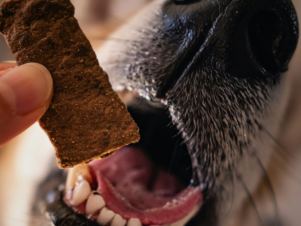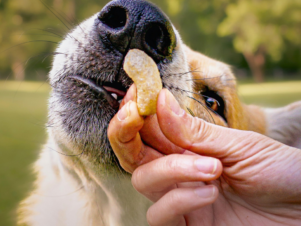
Deciding between wet and dry dog food is one of the most common questions new and experienced dog owners ask. Both wet and dry options can provide complete nutrition, but each has distinct benefits and drawbacks depending on your dog’s health, lifestyle, and feeding needs. In this article, we’ll compare wet vs dry dog food, including their advantages, how mixing them works, and which might be best for your furry friend.
What Is Wet Dog Food?
Wet dog food, also known as canned dog food, contains a high moisture level — typically 65–84% water — which makes it soft, aromatic, and often more appealing to dogs. It’s usually packaged in cans or pouches and doesn’t require additional water to serve.

What Is Dry Dog Food?
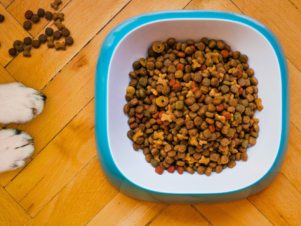
Dry dog food, or kibble, contains much less moisture (around 6–12%), resulting in a crunchy texture. It’s made by mixing ingredients into a dough, shaping it into bites, cooking, drying, and coating it with fats and nutrients. Dry food stays fresh longer and is easier to store than wet food.
Benefits of Wet Dog Food
Wet dog food has several advantages that make it a strong choice for many dogs.
🐶 Better Hydration
Because wet food has high moisture content, it helps dogs stay hydrated, especially those that don’t drink enough water on their own. This is particularly helpful for dogs with urinary or kidney issues or those at risk of dehydration.
🍖 More Appealing Taste and Texture
Many dogs find the rich aroma and soft texture of wet food more enticing than dry kibble, which can be very useful for picky eaters, elderly dogs, or pets recovering from illness.
🍽️ Easier to Eat
Soft wet food is gentler on the teeth and gums, making it a good choice for senior dogs or those with dental problems.
🍽️ Satiety
Some dogs feel fuller longer with wet food due to the volume of moisture, which may help with weight management if portioned correctly.
Benefits of Dry Dog Food
Dry kibble has its own set of strengths that make it ideal for many pet owners.
🦷 Supports Dental Health
The crunchy texture of dry food can help reduce tartar buildup and support dental hygiene, especially when paired with regular dental care.
🧠 Convenient and Practical
Dry food is simple to measure, doesn’t spoil quickly, and can be left out for dogs that like to graze throughout the day. It’s also easier to store for long periods without refrigeration.
💰 Cost-Effective
Generally, dry dog food is more affordable per serving than wet food, making it a good choice for families feeding one or more dogs without breaking the bank.
🧩 Versatile for Feeding Tools
Kibble works well with puzzle toys and slow feeders that provide mental stimulation while encouraging slower eating habits.
Drawbacks to Consider
⚠️ Wet Dog Food
- More expensive per meal than dry food.
- Requires refrigeration after opening and has a shorter shelf life once exposed to air.
- Limited dental benefits compared to dry food.
⚠️ Dry Dog Food
- Lower moisture content, which means dogs still need to drink enough water separately.
- Some dogs find kibble less palatable than wet food.
- Highly processed dry food can be calorie-dense, which may lead to weight gain if portions aren’t carefully measured.
Can Dogs Eat Wet Food Only?
Yes — dogs can eat only wet food as long as the diet is formulated to be complete and balanced according to standards like AAFCO (Association of American Feed Control Officials). A wet-only diet can work well for dogs with hydration needs or dental challenges.
However, feeding wet food exclusively may require you to:
- Monitor calorie intake carefully to avoid weight gain
- Provide regular dental care since wet food doesn’t offer the same chewing benefit as dry food
- Adjust portions to ensure your dog gets all necessary nutrients
Always confirm with your veterinarian that the specific wet food you choose meets your dog’s nutritional needs.
Mixing Wet and Dry Dog Food
Combining wet and dry food is a popular strategy that brings together the best of both worlds: the hydration and palatability of wet food with the convenience and dental benefits of kibble.
Benefits of Mixing
- Encourages hydration and appetite
- Adds texture variety to meals
- Can be more cost-effective than feeding only wet food
- Helps picky eaters enjoy their food more
Tips for Mixing Successfully
- Introduce changes gradually to prevent digestive upset.
- Measure portions to avoid overfeeding and weight gain.
- Ensure both foods are nutritionally complete and balanced.
Potential Drawbacks
- Wet food may make kibble soggy if left out too long.
- Mixed portions must still be measured or you risk doubling calorie intake.
Also read about How Much Dry Dog Food Should I Feed My Dog Per Day?
Which Should You Choose?
There isn’t a universal “healthiest” choice for all dogs — the best option depends on your dog’s:
- Age (puppy, adult, senior)
- Health needs (kidney function, dental health, weight management)
- Hydration habits
- Personal preferences
For many dogs, a balanced combination of wet and dry food gives the best of both nutrition and enjoyment. For others, especially those with specific medical needs, one type may be preferred under veterinary guidance.
Looking for high-quality dog foods to match your choice of wet, dry, or mixed feeding? Check out Chewy’s top-rated wet and dry dog food options, plus accessories that make feeding easy — from measuring scoops to food storage solutions!
Also read on Is Grain-Free Dog Food Actually Better for Dogs?
FAQ: Wet vs Dry Dog Food
📌 What’s better — wet or dry dog food?
Neither is universally better; both can be healthy depending on your dog’s needs, hydration, and eating habits.
📌 Can I mix wet and dry food?
Yes — mixing can provide hydration and dental benefits, but portions must be controlled to avoid overfeeding.
📌 Is dry food good for dental health?
Dry kibble’s crunch can help reduce tartar buildup, though it shouldn’t replace regular tooth care.
📌 Can dogs eat only wet food?
Yes, as long as the wet food is complete and balanced and you manage calories and dental health accordingly.