Dogs often hide pain and illness, which makes it critical for owners to recognize the signs your dog is sick before a condition becomes serious. This guide highlights 18 warning symptoms that should never be ignored.
This list was developed using veterinary clinical guidelines, common diagnostic indicators used in animal hospitals, and health-monitoring advice from licensed veterinarians. Each symptom included here is widely recognized as a potential sign of illness rather than normal behavior.
I also considered early warning signs frequently reported by dog owners, helping you identify problems before they escalate into emergencies.
Unlike humans, dogs can’t tell us when something feels wrong. Illness often shows up as subtle behavior changes long before obvious symptoms appear.
Early detection can significantly improve treatment outcomes and reduce veterinary costs. Knowing what to watch for empowers you to act quickly and seek professional care when needed.
What You’ll Learn in This Guide
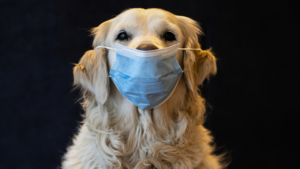
Below are 18 symptoms that may indicate illness in dogs, including physical, behavioral, and digestive warning signs.
Let’s take a closer look.
18 Signs Your Dog May Be Sick
- Loss of Appetite
Optional Image: Dog refusing food
A sudden decrease in appetite can signal digestive issues, infection, or dental pain.
- Lethargy
Unusual tiredness or reduced interest in play may indicate pain, fever, or illness.
- Vomiting
Occasional vomiting may be harmless, but repeated episodes are a cause for concern.
Read on: What Can Dogs Eat? 25 Human Foods for Dogs
- Diarrhea
Persistent diarrhea can lead to dehydration and may indicate infection or food intolerance.
- Weight Loss
Unexplained weight loss often points to underlying medical issues.
- Excessive Thirst
Increased water intake may be linked to kidney disease, diabetes, or hormonal imbalances.
- Frequent Urination
Changes in urination patterns can signal urinary tract or kidney problems.
Also read on: How to Help Your Dog Lose Weight
- Coughing
Chronic coughing may indicate respiratory disease or heart conditions.
- Difficulty Breathing
Labored breathing is an emergency and requires immediate veterinary attention.
- Limping
Limping may be caused by injury, arthritis, or joint disease.
- Changes in Behavior
Sudden aggression, anxiety, or withdrawal can be signs of pain or neurological issues.
- Excessive Scratching
Constant itching may indicate allergies, parasites, or skin infections.
- Hair Loss
Patchy or excessive hair loss often signals hormonal or skin problems.
Read on: Best Dog Foods for Sensitive Stomachs
- Bad Breath
Severe or persistent bad breath may indicate dental disease or organ issues.
- Pale or Yellow Gums
Changes in gum color can indicate anemia, liver disease, or infection.
- Fever
A warm nose, shivering, or lethargy may indicate an elevated body temperature.
- Swelling or Lumps
New or growing lumps should always be checked by a veterinarian.
- Seizures
Seizures are a medical emergency and require immediate veterinary care.
Recognizing early signs of illness can save your dog’s life. If you notice any of these symptoms, consult your veterinarian promptly for diagnosis and treatment.
For wellness supplies, monitoring tools, and vet-recommended health products, explore trusted options available through Chewy to support your dog’s well-being.
FAQ
Q1: What are the earliest signs a dog is sick?
Loss of appetite, lethargy, behavior changes, and digestive upset are common early warning signs.
Q2: When should I take my dog to the vet?
If symptoms last more than 24–48 hours or worsen rapidly, seek veterinary care.
Q3: Can dogs hide illness?
Yes. Dogs often mask pain, making subtle changes important to notice.
Q4: Is vomiting always a sign of illness in dogs?
Occasional vomiting may be normal, but frequent or severe vomiting is not.
Q5: How can I monitor my dog’s health at home?
Track appetite, energy levels, weight, and bathroom habits regularly.