Switching your dog’s food can feel stressful — especially if you’ve heard horror stories about loose stools or tummy upset. The good news is that most digestive issues, including diarrhea or an upset stomach, are avoidable when you transition properly. In this guide, you’ll learn a proven dog food transition schedule, how long the switch should take, what to do if your dog shows digestive symptoms, and why a gradual plan matters for your dog’s gut health. Plus, you’ll get tips on gentle foods and supplements from Chewy that support sensitive stomachs during transitions.
You should never switch your dog’s food abruptly. Instead, mix the new food with the old food gradually over at least 7–10 days, increasing the amount of new food slowly each day. This gives your dog’s digestive system time to adapt to new ingredients without overwhelming gut bacteria — which is what often causes diarrhea.
Why Dogs Get Diarrhea When You Change Their Food
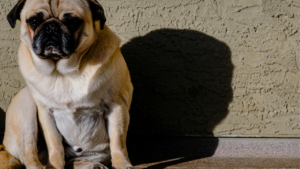
Diarrhea after a food change doesn’t mean your dog is “weak” or that the food is terrible — it’s usually because the gut bacteria and enzymes are suddenly faced with unfamiliar ingredients, and it takes time for the digestive system to catch up.
In most cases:
- Loose stools start within 6–24 hours of the first meal of new food
- Symptoms peak around 1–2 days after starting the change
- Mild diarrhea often resolves within 1–3 days if the transition is slow and consistent
However, diarrhea that lasts more than 3 days, contains blood, or is accompanied by vomiting, lethargy, or loss of appetite usually warrants a vet visit.
Step-by-Step Dog Food Transition Schedule
The safest and most widely recommended way to avoid digestive upset is to introduce the new diet slowly. Here’s a reliable transition schedule you can follow:
7-Day Transition Plan
- Days 1–2: 75% old food + 25% new food
- Days 3–4: 50% old food + 50% new food
- Days 5–6: 25% old food + 75% new food
- Day 7: 100% new food
This approach helps gut bacteria adjust gradually rather than being shocked by a sudden change in nutrients or ingredient sources.
Should You Extend the Transition?
Yes — if your dog has a sensitive stomach, a history of gastrointestinal issues, or allergies, consider stretching the transition over 10–14 days or more. For these dogs, you might repeat each stage for 2–3 days instead of just one or two.
Slowing down the process gives the gut even more time to adapt and can significantly lower the risk of diarrhea or loose stools.
Tips to Prevent Upset Stomach During the Switch
🐕🦺 1. Keep Consistent Feeding Times
Dogs thrive on routine. Feed at the same times each day to help regulate digestion.
🍗 2. Choose Similar Food Types
If possible, switch to a new food that’s similar to the old one in terms of protein source and texture. Switching from dry to wet (or vice versa) is more likely to cause digestive upset, so add even more time to your transition if you’re switching formats.
💦 3. Provide Plenty of Fresh Water
Supporting hydration can help prevent dehydration if stools loosen slightly during the transition.
🥄 4. Avoid Extra Treats or Table Scraps
During the transition period, stick to meals only. Treats can introduce new ingredients that confuse your dog’s digestive system.
🦠 5. Add Probiotics
Probiotics help maintain healthy gut bacteria and may reduce diarrhea during food changes. Consider a vet-recommended probiotic supplement from Chewy to support your dog’s digestive balance.
Also read about Wet vs Dry Dog Food: Which Is Healthier for Dogs?
What to Do If Your Dog Gets Diarrhea
If your dog experiences mild diarrhea during the transition:
- Pause the transition and revert to the last mix ratio that didn’t cause loose stools.
- Keep water available at all times, and avoid treats that aren’t part of the plan.
- Once stools firm up, proceed more slowly with the next stage of the transition.
If diarrhea is severe, persists beyond a few days, or accompanies vomiting and weakness, contact your veterinarian for personalized advice.
Smooth Transition Games & Tools
To support the switch and make feeding easier:
- Use measuring cups to ensure accurate mixing ratios
- Get a food scoop or scale to avoid overfeeding
- Try mixing in warm water or low-sodium broth to make the new food more appealing
- Offer a calming probiotic or sensitive stomach formula
👉 Browse gentle dog food formulas, probiotics, and transition feeding tools on Chewy to support your dog through every stage of the switch!
Also read on Can Puppies Eat Adult Dog Food?
FAQ: Switching Dog Food Without Diarrhea
📌 How long should I transition my dog’s food to avoid diarrhea?
Ideally 7–10 days using a gradual mix schedule where the amount of new food increases slowly each day. More sensitive dogs may need 10–14+ days.
📌 What ratio of old to new food should I start with?
Start with 75% old food and 25% new food, then increase the new food portion gradually over the transition period.
📌 Is diarrhea normal when switching foods?
A bit of mild diarrhea or soft stools can happen if the transition is faster than the digestive system can adjust. If it lasts more than a couple of days, slow the transition or consult a vet.
📌 Can I skip the transition and change foods immediately?
Abrupt switches are not recommended because they significantly increase the risk of diarrhea and vomiting, especially in sensitive dogs.