If your dog is overweight, you may be wondering how to help your dog lose weight safely and effectively. This guide shares 15 vet-approved, practical tips that actually work and promote long-term health.
This list was created by reviewing veterinary weight-management guidelines, canine nutrition research, and feeding recommendations commonly used by veterinarians. Each tip reflects proven strategies used in clinical practice—not quick fixes or extreme dieting.
I also considered real-life challenges dog owners face, such as busy schedules, picky eaters, and limited exercise time, to ensure these weight-loss tips are realistic and sustainable.
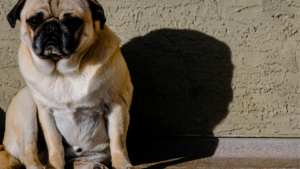
Just like in humans, excess weight in dogs increases the risk of diabetes, arthritis, heart disease, breathing problems, and reduced lifespan. Even a few extra kilograms can significantly affect a dog’s mobility and quality of life.
The good news is that dogs respond very well to structured diet and lifestyle changes. With consistency, portion control, and the right type of food, most dogs can reach a healthy weight without feeling hungry or deprived.
What You’ll Learn in This Guide
Below are 15 veterinarian-approved strategies to help your dog lose weight safely, improve energy levels, and maintain long-term wellness.
Let’s get started.
15 Vet-Approved Ways to Help Your Dog Lose Weight
- Visit Your Veterinarian First
Optional Image: Vet examining a dog
A vet visit rules out medical causes of weight gain, such as hypothyroidism, and helps determine your dog’s ideal body weight.
- Measure Every Meal
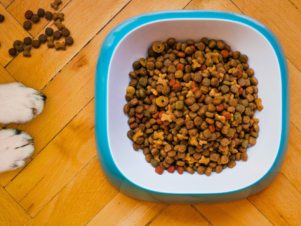
Free-feeding leads to overeating. Use a measuring cup or digital scale to serve accurate portions.
- Switch to Weight-Management Dog Food
Weight-control formulas are lower in calories but higher in fiber and protein, helping dogs feel full longer.
- Reduce Portion Sizes Gradually
Sudden calorie cuts can stress your dog. Reduce portions by 10–15% at a time.
- Eliminate Table Scraps
Human food is often calorie-dense and disrupts weight-loss progress—even small bites add up.
- Replace Treats With Low-Calorie Options
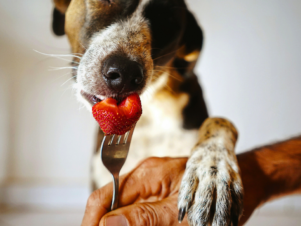
Use carrots, green beans, or commercial low-calorie dog treats instead of high-fat snacks.
- Limit Treat Quantity
Treats should make up no more than 10% of your dog’s daily calorie intake.
- Increase Daily Exercise
Aim for at least 30 minutes of activity per day, adjusted for age and breed.
- Break Exercise Into Short Sessions
Multiple short walks are often more effective and safer than one long session.
- Add Interactive Play
Games like fetch, tug-of-war, and puzzle toys encourage movement and mental stimulation.
- Use Food-Dispensing Toys
These slow down eating and encourage dogs to burn calories while eating.
- Track Weight Progress Weekly
Weigh your dog weekly to ensure steady, healthy weight loss.
- Keep a Feeding Log
Writing down meals and treats helps prevent accidental overfeeding.
- Involve the Whole Household
Consistency is key—everyone in the home must follow the same feeding rules.
- Be Patient and Consistent
Healthy weight loss takes time. Most vets recommend 1–2% body weight loss per week.
Helping your dog lose weight is one of the most impactful ways to improve their health and lifespan. With consistency, proper nutrition, and vet guidance, lasting results are absolutely achievable.
For portion-controlled food, healthy treats, and interactive toys, explore trusted weight-management options available through Chewy and start today.
Learn how to help your dog lose weight safely with 15 vet-approved tips. Practical feeding, exercise, and diet strategies for lasting results.
Also read about: What Foods Are Toxic to Dogs
FAQ
Q1: How can I tell if my dog is overweight?
You may notice difficulty feeling the ribs, reduced energy, and loss of a visible waistline. A veterinarian can confirm ideal weight.
Q2: How fast should a dog lose weight?
Most veterinarians recommend a gradual loss of 1–2% of body weight per week.
Q3: Can I just feed my dog less to lose weight?
Portion control helps, but balanced nutrition and increased activity are also essential.
Q4: Are weight-loss dog foods safe?
Yes, vet-approved weight-management formulas are designed to reduce calories while maintaining proper nutrition.
Q5: What treats are best for overweight dogs?
Low-calorie treats, vegetables like carrots, or specially formulated diet treats are best.