Knowing how often should you feed a dog is one of the most important steps in ensuring your pet’s health and happiness. This guide explains feeding schedules tailored by age, helping you establish the best routine for your dog.
This feeding schedule was created using veterinary nutrition recommendations, common canine developmental milestones, and feeding practices routinely advised by professionals. I took into account factors like metabolism, growth rate, activity level, and digestive tolerance, which all influence how frequently dogs should eat.
Additionally, I compared guidelines from trusted animal health sources and real-world expert consensus to build a practical schedule that works for most dogs.
Dogs of different ages have different nutritional and energy needs. Puppies require frequent meals to support rapid growth, while adult dogs do best with a routine that maintains weight and energy. Senior dogs may benefit from smaller, more consistent feedings due to slower metabolism and dental issues.
Establishing a structured feeding schedule not only helps your dog stay at a healthy weight but also contributes to predictable bathroom habits and overall well-being.
What You’ll Learn in This Guide

Below you’ll find recommended feeding schedules by life stage—from puppies to seniors—along with tips on how to adjust portions, choose food types, and manage transitions between life stages.
Let’s dive in.
Feeding Schedules by Age
- Newborns to 8 Weeks: Frequent Small Meals
Optional Image: Puppy nursing or eating from a bowl
Young puppies typically nurse from their mother every 2–3 hours. If bottle-feeding is necessary, offer puppy milk replacer in small frequent portions around the clock.
Note: Consult a vet for specific feeding amounts and instructions during this delicate stage.
- 8–12 Weeks: Four Meals per Day
At this age, puppies are transitioning from nursing to solid food.
- Meals per day: 4
- Reason: Small stomachs and high energy needs require frequent feeding for healthy development.
- 3–6 Months: Three Meals per Day
Also read on: How to Help Your Dog Lose Weight
Once puppies have adjusted to solid food:
- Meals per day: 3
- Why: Their digestive systems can handle slightly larger meals spaced throughout the day.
- 6–12 Months: Two to Three Meals per Day
As your dog continues to grow:
- Meals per day: 2–3
- Tip: Large breeds may benefit from 3 meals to help prevent bloating.
- 1 Year and Older: Two Meals per Day
Adult dogs are typically stable in weight and activity:
- Meals per day: 2
- Benefits: Helps regulate metabolism, prevents hunger-induced begging, and supports steady energy.
- Senior Dogs (7+ Years): Two Smaller Meals
Older dogs may eat less at once:
- Meals per day: 2 (smaller portions)
- Why: Slower metabolism and reduced activity benefit from lighter, evenly spaced meals.
Also interested in: Best Dog Foods for Sensitive Stomachs
Tips for All Ages

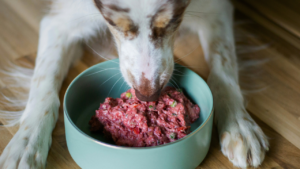
- Use a Consistent Feeding Time
- Feeding your dog at the same times each day helps regulate digestion and behavior.
- Measure Portions
- Use a measuring cup or kitchen scale to prevent overfeeding.
- Adjust Based on Activity Level
- Active dogs may need slightly more calories, while less active dogs may need less.
- Choose Age-Appropriate Food
- Puppies, adults, and seniors should eat formulations designed for their life stage.
- Monitor Weight and Body Condition
- Adjust portions or ask a vet if your dog gains or loses weight unexpectedly.
A well-structured feeding schedule helps your dog maintain optimal health, prevents obesity, and promotes healthy digestion. Start with the ages and frequencies above, and adjust as needed based on your dog’s activity and vet recommendations.
For portion-controlled food, life-stage formulas, and feeding accessories, check out trusted options available through Chewy and build the ideal routine for your dog.
Also read on Signs Your Dog Is Sick
FAQ
Q1: How often should I feed my puppy?
Puppies generally need 3–4 meals per day depending on age and growth rate.
Q2: When should I switch to twice-daily feeding?
Most dogs transition to two meals per day around 1 year of age.
Q3: Should senior dogs eat more often?
Senior dogs may benefit from two smaller meals to support digestion.
Q4: Does breed size affect feeding frequency?
Yes—larger breeds sometimes do better with three smaller meals to reduce the risk of bloat.
Q5: What can I do if my dog isn’t hungry?
Check food quality, eating environment, or speak with a veterinarian if appetite changes persist.