It’s tempting to share your dinner with your dog — but can dogs eat human food? Those pleading eyes at the table are hard to resist! But not all human foods are safe or healthy for dogs, and feeding your dog human food instead of balanced dog food can have serious consequences. In this article, you’ll learn which foods dogs can safely eat, which foods are dangerous or toxic, whether homemade diets are a good alternative to kibble, and how to keep your dog healthy with quality nutrition — including options from Chewy that are formulated specifically for canine needs.
Yes — dogs can eat some human foods in small amounts, but human food should never replace a complete dog food diet unless it’s a carefully balanced homemade recipe approved by your veterinarian. Dogs have very different nutritional needs than humans, and many human foods can cause digestive upset, toxicity, or nutrient imbalances if fed in excess.
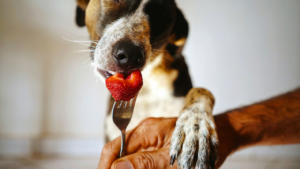
Human Foods Dogs Can Eat (Safely in Moderation)
While your dog shouldn’t live on table scraps, several human foods are generally safe for dogs when given in small portions without seasoning:
👉 Cooked lean meats such as plain chicken or turkey — no bones, no seasoning
👉 Plain cooked eggs — protein source for dogs
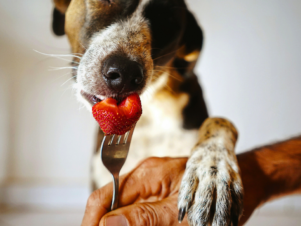
👉 Certain fruits such as apple (no seeds), bananas, blueberries — tiny amounts
👉 Plain vegetables like carrots and green beans — high in fiber
These foods can be offered as occasional treats or mixed with regular dog food, but they don’t replace the complete nutrition you get from a well-formulated canine diet.
Dangerous Human Foods Dogs Should Never Eat
Some human foods are toxic to dogs and should always be avoided under any circumstances:
❌ Chocolate & cocoa — contains theobromine and caffeine, dangerous even in small amounts
❌ Grapes & raisins — can cause acute kidney failure
❌ Onions & garlic — damage red blood cells and may cause anemia
❌ Xylitol (found in sugar-free gum, candy, some peanut butter) — can cause rapid hypoglycemia and liver failure
❌ Macadamia nuts — strong neurotoxic effects for dogs
❌ Cooked bones — risk of splintering and internal injury
❌ Alcohol — dangerous even in small quantities
Other foods like avocado (contains persin) and coffee/caffeine can also cause gastrointestinal distress or toxicity depending on amounts and the dog’s size.
If your dog accidentally eats a toxic food, contact your veterinarian or a pet poison control hotline immediately rather than waiting to see what happens.
Why Dog Food Is Designed Differently From Human Food
Human meals are tailored to human nutritional needs, which differ significantly from canine requirements. For example:
- Dogs require higher protein ratios and certain amino acids that aren’t prioritized in most human diets.
- They metabolize fat and carbohydrates differently, meaning foods high in salt, sugar, or spices can cause digestive problems.
- Dog foods meet strict nutritional standards (like AAFCO’s “complete and balanced” guidelines), whereas most human foods do not provide complete canine nutrition.
Because of these differences, feeding your dog only human food can lead to nutrient deficiencies or excesses over time unless the diet is carefully formulated by a professional.
Homemade Dog Food vs Kibble
Many owners consider homemade meals — prepared with lean meats, vegetables, or rice — as an alternative to commercial food. While homemade diets can be healthy, they must be balanced properly to ensure your dog gets essential nutrients such as:
✔ Optimal protein levels
✔ Necessary vitamins and minerals
✔ Appropriate fat content
If they are not correctly balanced, dogs can end up lacking key nutrients or consuming too much of others, which may lead to health issues like bone problems, skin issues, or metabolic imbalances. That’s why most vets recommend working with a nutritionist or choosing dog food that meets established nutritional standards.
How to Safely Share Human Foods With Your Dog
If you want to treat your dog with safe human foods:
✅ Keep treats to less than 10% of their daily calories — Table scraps alone should not replace a balanced diet.
✅ Avoid seasonings, spices, or sauces — many can irritate the dog’s digestive system.
✅ Introduce new foods slowly and in small amounts.
✅ Always remove seeds, pits, skin, or bones that may be dangerous.
Moderation is key — even safe human foods can cause weight gain or stomach upset if overfed.
Also read on How Much Dry Dog Food Should I Feed My Dog Per Day?
The Risk of Replacing Dog Food With Human Meals
Feeding your dog a homemade or table-scrap-based diet instead of complete dog food without veterinary guidance can lead to:
❗ Nutritional imbalance
❗ Deficiencies in essential vitamins and minerals
❗ Digestive upset or chronic health issues
❗ Weight gain from fatty or salty foods
In contrast, high-quality dog foods are formulated to support overall health, immune function, and longevity — and can be enriched with foods dogs enjoy, like plain cooked meats, vegetables, or fruits.
Want to provide balanced nutrition without guessing about human food ingredients? Chewy offers a wide range of dog foods formulated for different life stages, dietary needs, and taste preferences. These foods are nutritionally complete — and you can even mix in safe human food treats (like plain chicken or veggies) under vet guidance.
👉 Browse balanced dog food options on Chewy — safe, vet-approved formulas your dog will love!
FAQ: Can Dogs Eat Human Food?
Also read about Can Puppies Eat Adult Dog Food?
📌 Can dogs eat any human food safely?
Yes — but only certain foods like plain cooked chicken or small portions of fruits/vegetables, and always without seasoning.
📌 Which human foods are dangerous for dogs?
Chocolate, grapes/raisins, onions, garlic, xylitol, macadamia nuts, alcohol, and cooked bones are all toxic to dogs.
📌 Can I feed my dog homemade meals instead of kibble?
Yes — with vet approval and proper balance — homemade diets can work, but they require careful planning to avoid nutrient deficiencies.
📌 How much human food can my dog have?
Keep treats or human food to no more than 10% of daily caloric intake to ensure their main diet remains balanced.