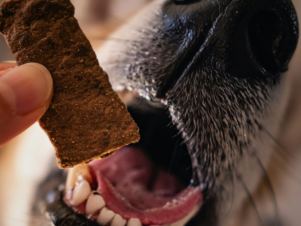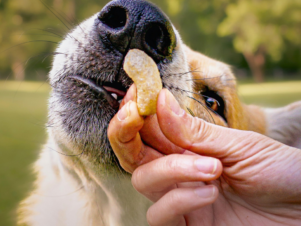
If you’ve ever looked at your dog begging at the table and wondered what can dogs eat, you’re not alone. This guide breaks down 25 common human foods that are safe—and even healthy—for dogs when served properly.
This list was created by reviewing veterinary nutrition guidelines, trusted pet health resources, and ingredient standards commonly used in high-quality dog foods and treats sold on Chewy. Each food included here is widely recognized as dog-safe when prepared correctly and given in moderation.

As a pet owner and educator, I also considered digestibility, nutritional value, and real-life feeding practicality—not just whether a dog can eat the food, but whether it actually benefits their health.
Dogs are omnivores, meaning they can digest both animal and plant-based foods. While dogs don’t need human food to survive, certain human foods can provide vitamins, minerals, fiber, antioxidants, and lean protein that support overall health.
However, not all human food is dog-safe. Some foods—like chocolate, grapes, onions, and xylitol—are highly toxic. That’s why knowing exactly what dogs can eat (and how to prepare it) is essential, especially for first-time dog owners.
What You’ll Learn in This Guide
Below, you’ll find a categorized list of 25 safe human foods for dogs, including fruits, vegetables, proteins, grains, and healthy extras—plus tips on how to serve each safely.
Let’s get started.
25 Human Foods Dogs Can Eat Safely
- Apples
Optional Image: Sliced apple pieces
Apples are a great source of fiber and vitamin C. Always remove the seeds and core, as apple seeds contain cyanide.
- Bananas
Bananas are rich in potassium and vitamin B6. Serve in small slices—too much can cause constipation due to sugar content.
- Blueberries
These antioxidant-packed fruits support brain health and immunity. They also make excellent low-calorie training treats.
- Carrots
Crunchy carrots help with dental health and are loaded with beta-carotene. Serve raw or lightly steamed.
- Cucumbers
Low in calories and high in water, cucumbers are perfect for overweight dogs or hot weather hydration.
- Pumpkin (Plain)
Plain, cooked pumpkin supports digestive health and can help with both diarrhea and constipation.
- Sweet Potatoes
Cooked sweet potatoes provide fiber and vitamin A. Avoid seasoning, butter, or sugar.
- Green Beans
Green beans are filling, nutritious, and low-calorie—ideal for dogs on a weight-management plan.
- Peas
Peas contain protein and fiber. Fresh or frozen peas are fine; avoid canned versions with added salt.
- Spinach (In Moderation)
Spinach provides iron and antioxidants, but should be fed sparingly due to oxalates.
- Chicken (Plain, Cooked)
A lean protein that supports muscle development and energy. Remove skin, bones, and seasoning.
- Turkey
Another excellent lean protein option. Ensure it’s fully cooked and unseasoned.
- Eggs
Cooked eggs are highly digestible and rich in protein and amino acids. Never serve raw.
- Salmon (Cooked)
Cooked salmon provides omega-3 fatty acids for skin and coat health. Avoid raw salmon.
- Lean Beef
Cooked, unseasoned beef offers iron and protein. Fatty cuts should be avoided.
- Rice (White or Brown)
Rice is easy on the stomach and often recommended for dogs with digestive upset.
- Oatmeal
Plain, cooked oatmeal is a good source of soluble fiber, especially for senior dogs.
- Quinoa
A nutrient-dense grain alternative that provides protein and essential amino acids.
- Plain Yogurt
Contains probiotics that support gut health. Choose unsweetened, low-fat varieties only.
- Cottage Cheese
High in protein and calcium, cottage cheese is suitable for dogs who tolerate dairy.
- Peanut Butter (Xylitol-Free)
A favorite treat for many dogs. Always check labels—xylitol is toxic to dogs.
- Olive Oil
A small drizzle can improve skin, coat, and digestion. Moderation is key.
- Coconut Oil
Supports coat health and may help with dry skin, but should be given sparingly.
- Cheese (Small Amounts)
Cheese is rich in calcium and protein, but only suitable for dogs without lactose sensitivity.
- Watermelon (Seedless)
Hydrating and refreshing, watermelon is perfect for hot days. Remove seeds and rind.
read about: Malaria symptoms and Causes
Knowing what dogs can eat empowers you to make safer, healthier choices for your pet. When introducing any new food, start small and observe your dog’s reaction.
For balanced nutrition and vet-approved treats made with dog-safe ingredients, explore high-quality options available through Chewy, and always consult your veterinarian if you’re unsure.