Adding fresh produce to your dog’s diet can boost nutrition and variety. In this article we’ll explore fruits and vegetables dogs can eat that are healthy, safe, and delicious treat options.
This list was compiled using veterinary nutrition sources, expert guidance, and trusted canine health resources to ensure every fruit and vegetable included is widely recommended for dogs when served properly.
I also considered nutrient profiles, digestion safety, and common pitfalls to give you options that benefit your dog without risking digestive upset.
Dogs are omnivores, meaning they can digest certain plant-based foods well alongside their regular diet. Fruits and veggies offer vitamins, antioxidants, fiber, and hydration, making them great as occasional snacks or food toppers.
However, moderation is key—fruits and vegetables should complement, not replace, a balanced dog food diet. Also, some produce can be harmful if fed incorrectly or in large amounts, so safe choices matter.
What You’ll Learn in This Guide
Below are 15 nutrient-rich fruits and vegetables dogs can enjoy safely, with tips on how to serve each one.

15 Nutrient-Rich Fruits and Vegetables Dogs Can Eat
- Apples
Optional Image: Sliced apple pieces
Apples are high in fiber and vitamins A and C, and make a crunchy treat. Always remove seeds and core first.
- Bananas
Soft and potassium-rich, bananas provide vitamins B6 and C. Because of natural sugar content, keep portions small.
- Blueberries
Packed with antioxidants and fiber, blueberries are great as bite-sized training treats.
Also read about How Often Should You Feed Your Dog
- Strawberries
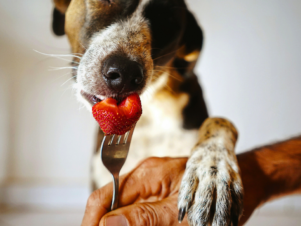
Strawberries add vitamin C and fiber to your dog’s snacks and can even support dental health in moderation.
- Watermelon
Hydrating and sweet, watermelon is a refreshing treat when you remove seeds and rind first.
- Pears
Pears provide fiber and vitamins. Cut into small pieces and remove seeds and core before serving.
- Mango
Mango offers vitamins A, B6, C, and E, but remove the pit and skin to prevent choking and toxicity.
- Pumpkin
Plain cooked or canned pumpkin is excellent for digestion and can help regulate stool.
- Carrots
Crunchy carrots are low-calorie, high in fiber and beta-carotene for eye health.
- Green Beans
Green beans are rich in vitamins and fiber and make a great low-calorie treat or meal topper.
- Peas
Fresh or frozen peas provide fiber and plant protein—avoid salted canned versions.
- Cucumbers
Cool, hydrating cucumbers are low in calories and can help with weight management.
- Broccoli (Small Amounts)
Broccoli offers vitamin C and fiber but should be fed in small portions to avoid gas.
- Bell Peppers
All colors of bell peppers are safe when seeds and stem are removed, and they add vitamins A and C.
- Sweet Potatoes
Cooked sweet potatoes are packed with fiber and vitamins, supporting healthy digestion.
Interested in What Can Dogs Eat? 25 Human Foods for Dogs
Fruits and vegetables can be nutritious additions to your dog’s diet when served safely and in moderation. Always introduce new foods gradually, and stick with healthy treat portions as part of a balanced plan.
For dog-safe fruit and veggie snacks, toppers, and vet-recommended nutrition options, check out the healthy selection available through Chewy to keep your pup thriving.

FAQ
Q1: Can dogs eat fruits and vegetables?
Yes—many fruits and vegetables dogs can eat provide vitamins, antioxidants, and fiber when served properly.
Q2: Are fruits and vegetables good for dogs?
In moderation, they can support hydration, digestion, and overall health, but should not replace balanced dog food.
Q3: What fruits should dogs avoid?
Dogs should avoid grapes, raisins, and avocados, as they can be toxic. Always remove pits, seeds, and rinds.
Q4: How should I serve fruits and vegetables to my dog?
Wash, remove seeds/pits, and cut into bite-sized pieces; offer them as occasional treats.
Q5: How much fruit and veg can a dog eat?
Treats should make up no more than 10% of your dog’s daily calories to maintain balance.